Whole Spices
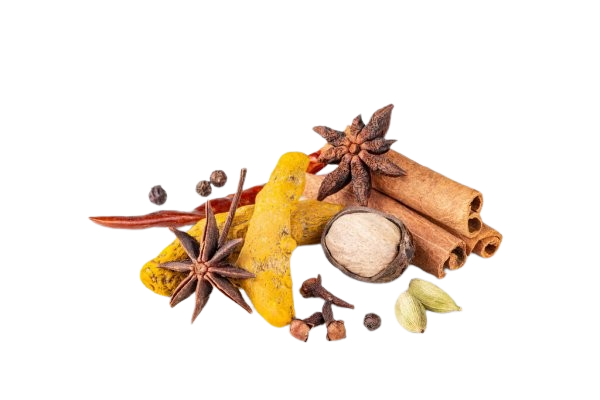
Common Whole Spices Exported from India
India exports a wide variety of whole spices, with some of the most prominent ones being:
- Black Pepper (Piper nigrum): Often called the “King of Spices,” Indian black pepper is renowned for its pungency and aroma. Kerala is a major producer.
- Cardamom (Elettaria cardamomum – Green Cardamom; Amomum subulatum – Black Cardamom): Both green and black cardamom are highly sought after. Green cardamom is prized for its sweet, floral notes, while black cardamom offers a smoky, camphor-like flavor.
- Cumin Seeds (Cuminum cyminum): Known for their warm, earthy, and slightly bitter taste, cumin seeds are a staple in Indian, Middle Eastern, and Mexican cuisines. Rajasthan and Gujarat are key producing states.
- Coriander Seeds (Coriandrum sativum): With a citrusy, earthy, and slightly sweet flavor, coriander seeds are incredibly versatile and widely used.
- Fennel Seeds (Foeniculum vulgare): Offering a sweet, licorice-like taste, fennel seeds are used in both savory and sweet dishes, as well as for digestive purposes.
- Fenugreek Seeds (Trigonella foenum-graecum): These small, hard, yellowish-brown seeds have a slightly bitter and nutty flavor, becoming more complex when roasted.
- Mustard Seeds (Brassica juncea, Brassica nigra, Sinapis alba): Various types of mustard seeds (black, brown, yellow) are exported, each offering a distinct pungent flavor when crushed.
- Cloves (Syzygium aromaticum): Known for their strong, aromatic, and slightly sweet flavor, cloves are used in both sweet and savory applications.
- Nutmeg (Myristica fragrans) and Mace (Arillus of Myristica fragrans): Nutmeg is the kernel, and mace is the lacy aril covering the kernel. Both offer warm, sweet, and aromatic flavors, commonly used in baking and savory dishes.
- Dry Red Chillies (Capsicum annuum/frutescens): India is a major producer and exporter of various varieties of dry red chillies, like Guntur Sannam, Byadgi, and Kashmiri, offering different levels of heat and color.
- Star Anise (Illicium verum): With its strong, licorice-like flavor, star anise is a key ingredient in many Asian cuisines and spice blends.
- Bay Leaves (Cinnamomum tamala/Laurus nobilis): Indian bay leaves are distinct from European bay leaves, offering a more delicate, clove-like aroma.
- Cassia Bark (Cinnamomum cassia): Often confused with true cinnamon, cassia bark is widely used for its strong, sweet, and pungent flavor.
Advantages of Whole Spices:
- Longer Shelf Life: Whole spices retain their potency and freshness for a much longer period compared to ground spices. This is due to their lower surface area exposed to air, light, and moisture.
- Preserved Aroma and Flavor: The essential oils responsible for the distinct aroma and flavor of spices are better preserved in their whole form. Grinding them just before use releases these volatile compounds, resulting in a more intense and authentic experience.
- Versatility: Whole spices can be used in various culinary applications – roasted, tempered, ground, or infused, providing flexibility to the end-user.
- Less Prone to Adulteration: It’s generally more difficult to adulterate whole spices compared to ground spices, offering a higher level of trust to buyers.
Quality Standards for Whole Spices:
For exporting whole spices from India, adherence to stringent quality standards is paramount to meet international requirements. The Spices Board of India plays a crucial role in regulating and promoting quality. Key aspects include:
- Physical Parameters:
- Extraneous Matter: Low limits for foreign matter like dust, stones, stems, or other plant parts.
- Moisture Content: Controlled moisture levels are essential to prevent mold growth and maintain shelf life.
- Immature/Shrivelled Spices: Limits on the percentage of undeveloped or damaged spices.
- Insect Damage: Spices must be free from visible insect infestation or damage.
Microbiological Standards: Low levels of bacteria (e.g., Salmonella, E. coli) and molds.
- Chemical Parameters:
- Pesticide Residues: Compliance with maximum residue limits (MRLs) set by importing countries (e.g., EU, USA).
- Aflatoxins: Strict limits on naturally occurring toxins produced by certain fungi.
- Adulteration: Spices must be free from any artificial coloring, harmful substances, or intentional adulteration.
Sensory Evaluation: Spices should possess their characteristic aroma, color, and flavor, free from any off-odors or tastes (e.g., mustiness, rancidity).
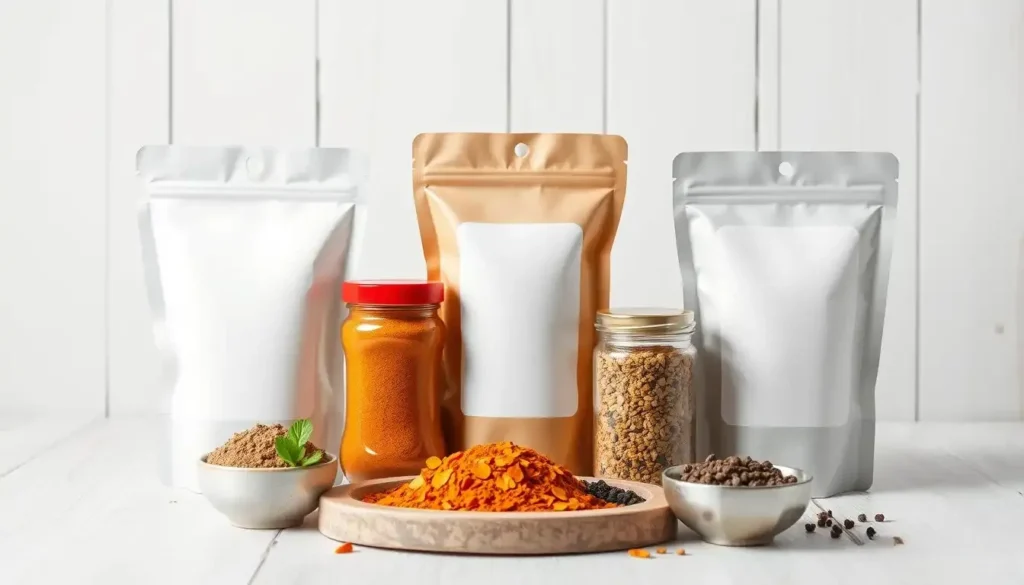
- Packaging: Whole spices should be packaged in food-grade, airtight, and moisture-proof materials to preserve their quality during transit and storage.
Exporters typically provide certificates of analysis (COA) from accredited laboratories to confirm compliance with these standards. Many buyers also require specific certifications like ISO 22000 (Food Safety Management System), HACCP, and often organic certifications for organic whole spices.